 17 April 2026
 Share
Share
1

Exclusive starter offer for new players available online today
Exclusive starter offer for new players available online today
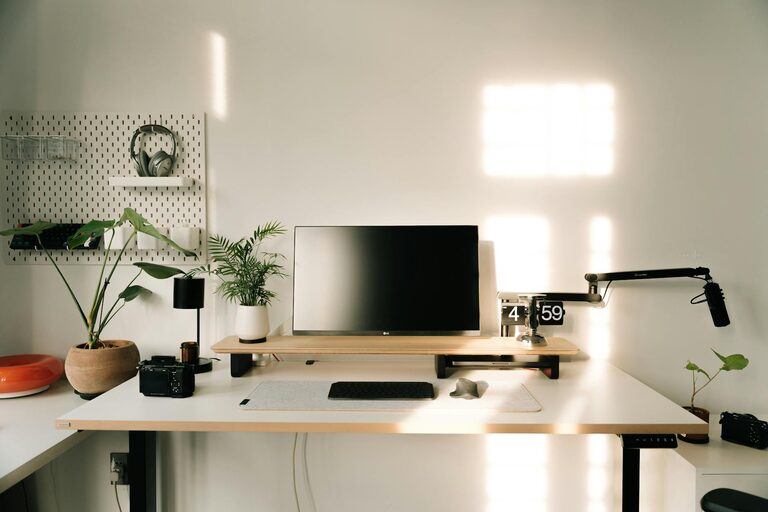
Creating a relaxing home office environment is essential in today’s work-from-home culture. A calm and organized space not only improves focus and efficiency but also helps reduce stress during long work hours. Whether you have a dedicated room or a small corner, these tips will guide you in transforming your home office into a peaceful, inviting place.
Your workspace affects your mindset and work quality. A cluttered, noisy, or uncomfortable area can cause distractions and tension. On the other hand, a space designed with relaxation in mind promotes creativity, better decision-making, and overall wellbeing.
Start by selecting the most suitable spot in your home for working. Ideally, choose a quiet area with minimal foot traffic to limit interruptions. If possible, avoid places associated with leisure or sleep, like bedrooms, to create a mental boundary between work and rest.
Natural light boosts mood and energy levels. Pick a space near a window if you can. Position your desk so light comes from the side rather than directly in front or behind your screen, which can cause glare or shadows.
Clutter can lead to mental clutter. A tidy desk helps maintain focus and reduces stress.
– Use organizers for pens, papers, and supplies.
– Limit decorations to a few items that bring you joy.
– File or store documents you don’t need daily out of sight.
Regularly set aside time to clean and reset your workspace.
A comfortable chair and desk arrangement prevent physical strain. Consider these tips:
– Choose an ergonomic chair that supports your back.
– Adjust desk and chair height so your feet rest flat, and your arms form a 90-degree angle when typing.
– Use a monitor stand to keep your screen at eye level.
Comfort contributes greatly to relaxation and productivity during long hours.
Colors influence emotions. Soft, neutral tones like light blues, greens, or earthy shades create a calming atmosphere. Avoid overly bright or harsh colors that may cause agitation.
Personalize the space with items like:
– Plants to bring natural freshness and improve air quality.
– Artwork or photos that inspire or soothe.
– A small water fountain or gentle light fixtures for ambiance.
Noise can be distracting. To minimize disruptions:
– Use noise-canceling headphones or play soft background music or white noise.
– Consider soundproofing your space with rugs, curtains, and cushions.
– Close doors and windows when possible during work hours.
A relaxing office encourages healthy habits. Include:
– A small corner for stretching or light exercises.
– Reminders or apps to prompt breaks.
– Easy access to water and healthy snacks to stay hydrated and energized.
Physical movement breaks reduce stress and refresh your mind.
Ensure your devices and tools work smoothly to avoid frustration.
– Keep cables organized and out of sight.
– Regularly update software for security and speed.
– Use external keyboards or mice if needed for better comfort.
A smooth technology setup supports a relaxed workflow.
Certain scents like lavender, chamomile, or eucalyptus promote calmness. You can use:
– Essential oil diffusers.
– Scented candles (safely).
– Natural room sprays.
Just be mindful of allergies or sensitivities.
While personalization is important, avoid overloading your space. A few meaningful items boost comfort and mood without overwhelming your senses.
Creating a relaxing home office is about combining comfort, functionality, and personal touches. With thoughtful location choice, mindful organization, ergonomic furniture, soothing colors, and healthy habits, you can build a workspace that nurtures focus and well-being. Take the time to adjust your environment—it’s an investment that will pay off in your productivity and happiness.
Start small, and gradually adapt your home office to what feels best for you. Your ideal workspace is within reach!
