17 April 2026
 Share
Share
1

Exclusive starter offer for new players available online today
Exclusive starter offer for new players available online today
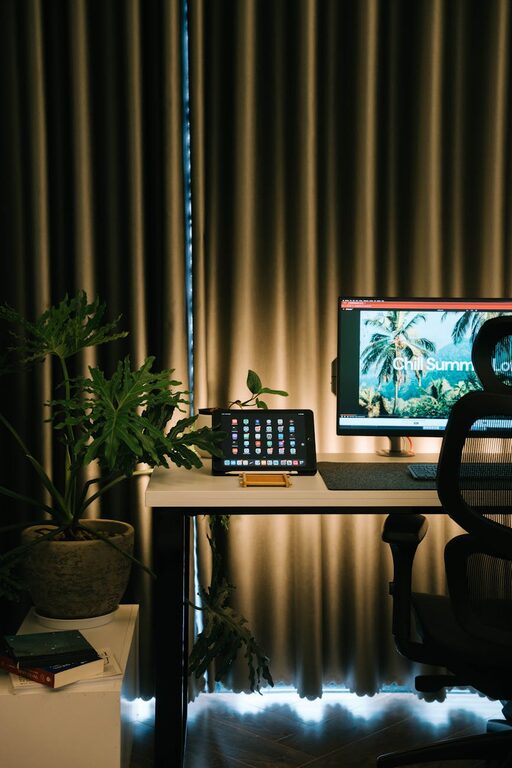
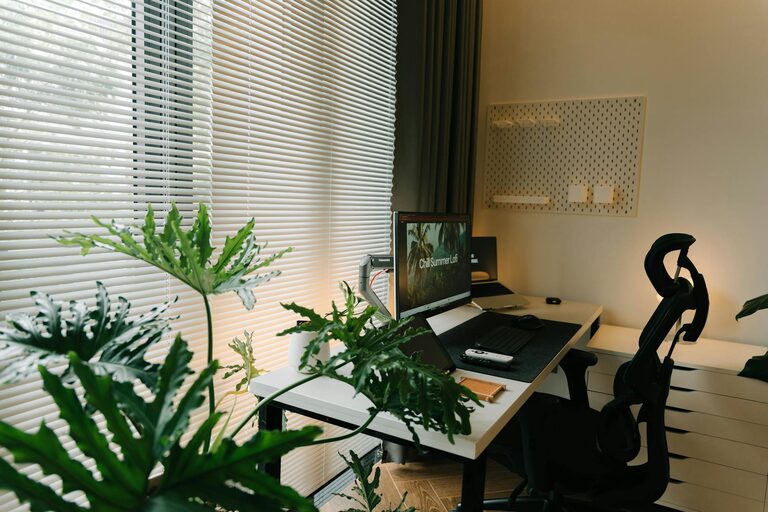
Creating a cozy and productive home office environment is essential in today’s work-from-home culture. A well-designed workspace can improve focus, reduce stress, and make working more enjoyable. Whether you have a dedicated room or just a small corner, the right setup helps you stay motivated and comfortable throughout the day. Here are some practical tips to create a home office that feels inviting and helps you get things done efficiently.
Selecting the best spot for your home office is the first step. Ideally, pick a quiet area with minimal distractions. If possible, choose a space with natural light, as this can boost mood and energy levels.
– Avoid high-traffic areas where noise might interrupt you.
– Consider a room with a door to separate work from home life.
– If space is limited, even a small desk in a corner can work well.
Comfort is key for long work hours. Invest in ergonomic furniture that supports good posture and reduces fatigue.
– Choose an adjustable chair with adequate back support.
– Ensure your desk is at a comfortable height for typing and writing.
– Use a footrest if your feet don’t comfortably reach the floor.
A comfortable chair and desk make a big difference in preventing aches and helping you focus.
Good lighting reduces eye strain and creates a pleasant atmosphere.
– Use a combination of natural light, overhead lighting, and task lighting.
– Position your desk near a window if possible to enjoy daylight.
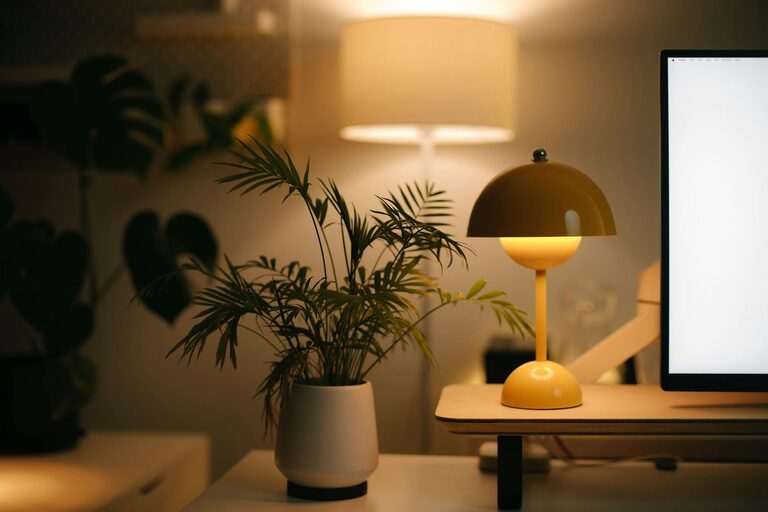
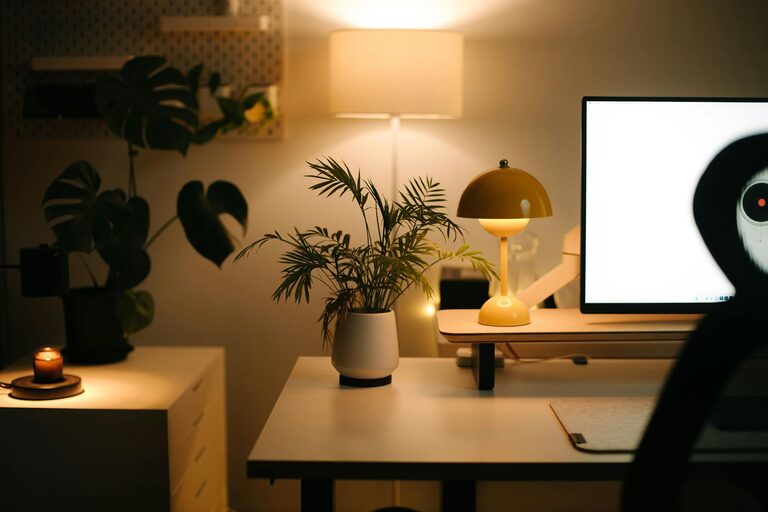
– Add a desk lamp with adjustable brightness for late-night work.
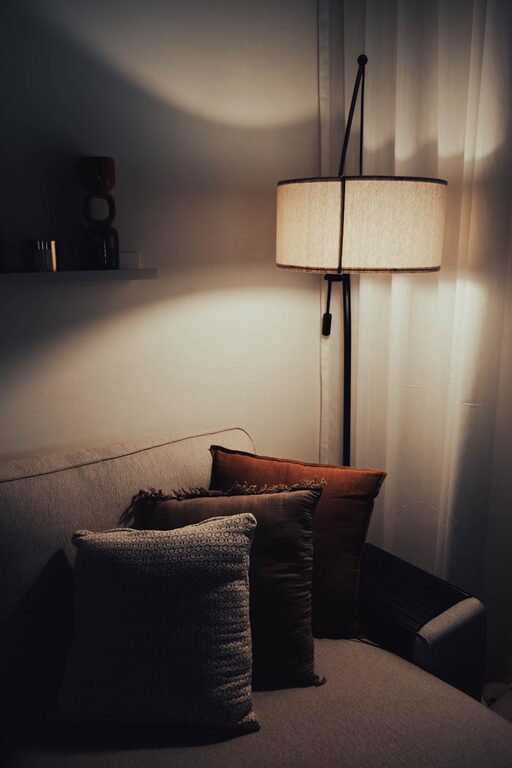
Warm, soft lighting tends to create a cozy vibe, while bright light can boost alertness. Balance is important.
A tidy workspace supports productivity by minimizing distractions and making it easy to find what you need.
– Use drawers, shelves, and organizers to keep supplies in order.
– Keep only essential items on your desk.
– Regularly clean and declutter to maintain a fresh environment.
Consider using storage boxes or baskets to keep paperwork organized and out of sight.
Adding personal touches can make your office feel inviting and inspiring.
– Display photos or artwork that make you happy.
– Add plants to bring a bit of nature indoors.
– Use decorative items or colors that motivate you but avoid overcrowding.
Personalization makes the space feel uniquely yours and can boost creativity.
Noise can be distracting, so find ways to reduce or mask unwanted sounds.
– Use noise-cancelling headphones or earbuds if you’re in a noisy home.
– Try a white noise machine or calming background music to improve focus.
– Consider soft fabrics like curtains and rugs to absorb sound.
Creating a quieter environment helps maintain concentration and reduces stress.
Fresh air improves comfort and cognitive function.
– Open windows regularly to let in fresh air.
– Use a small fan or air purifier if needed.
– Incorporate air-purifying plants like snake plants or peace lilies.
Good ventilation helps keep you alert and healthy while working.
Even the coziest office can become a source of stress without clear work habits.
– Set regular work hours and stick to them.
– Take scheduled breaks to stretch and move around.
– Define clear boundaries between work and personal time, especially if your office is in a shared space.
A structured routine supports both productivity and well-being.
Equip your office with the right technology to support your tasks.
– Invest in a reliable computer and high-speed internet.
– Use cable organizers to keep cords neat.
– Consider dual monitors if your work involves multitasking.
Keeping technology efficient and organized prevents distractions and downtime.
Your needs may change, so be open to adjusting your workspace.
– Rearrange furniture periodically to refresh the environment.
– Try new organizational tools or apps to improve workflow.
– Keep experimenting with lighting or decor until you find what works best.
Flexibility helps you maintain a home office that continues to support your productivity and comfort over time.
—
Creating a cozy and productive home office doesn’t require a big budget or extra space. With thoughtful choices around location, furniture, lighting, organization, and personal touch, anyone can build a workspace that supports both comfort and efficiency. Start small, make adjustments over time, and enjoy the benefits of a well-designed home office every day.