17 April 2026
 Share
Share
1

Exclusive starter offer for new players available online today
Exclusive starter offer for new players available online today
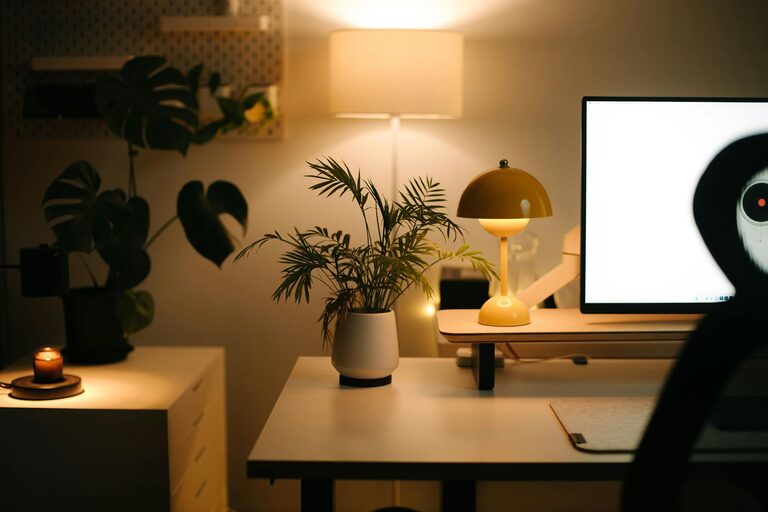
Creating a home workspace that is both relaxing and productive is essential for anyone working remotely or spending significant time on home-based projects. A well-designed area can reduce stress, improve focus, and make your workday more enjoyable. Whether you are setting up a new space or refreshing an existing one, this guide offers helpful tips to create a relaxing home workspace tailored to your needs.
Your environment greatly influences how you work. A cluttered, uncomfortable, or uninspiring space can increase stress and decrease motivation. In contrast, a relaxing workspace supports concentration, comfort, and creativity. Achieving this balance not only boosts productivity but also promotes well-being during your work hours.
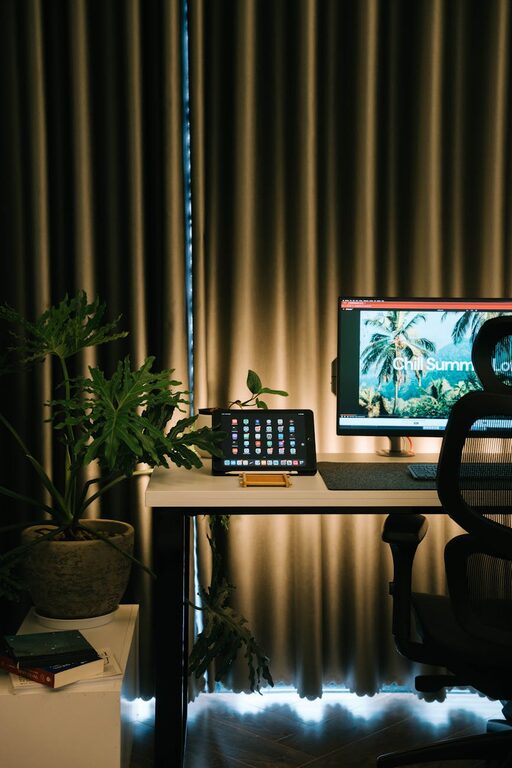
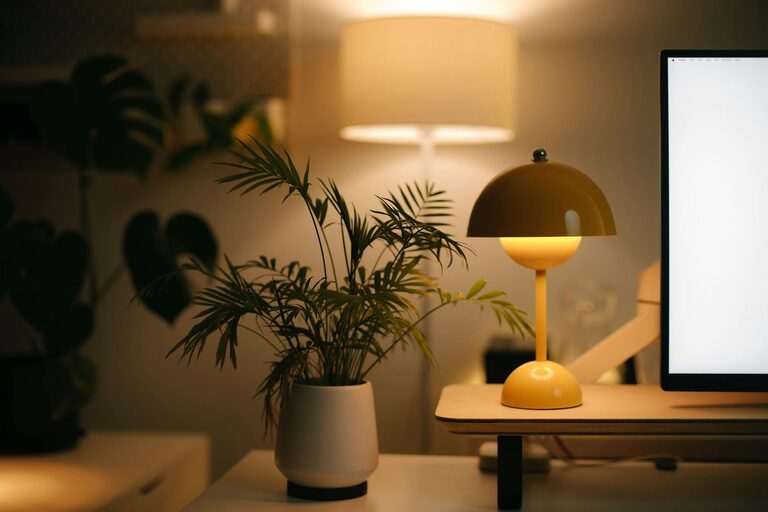
Selecting a spot with plenty of natural light can improve your mood and alertness. Place your desk near a window if possible, but avoid glare on your computer screen. If natural light is limited, opt for soft, warm artificial lighting rather than harsh overhead lights.
Find a quiet corner where you can focus, away from household noise or busy traffic areas. Using a room divider or noise-cancelling headphones can help create a more peaceful environment even in shared spaces.
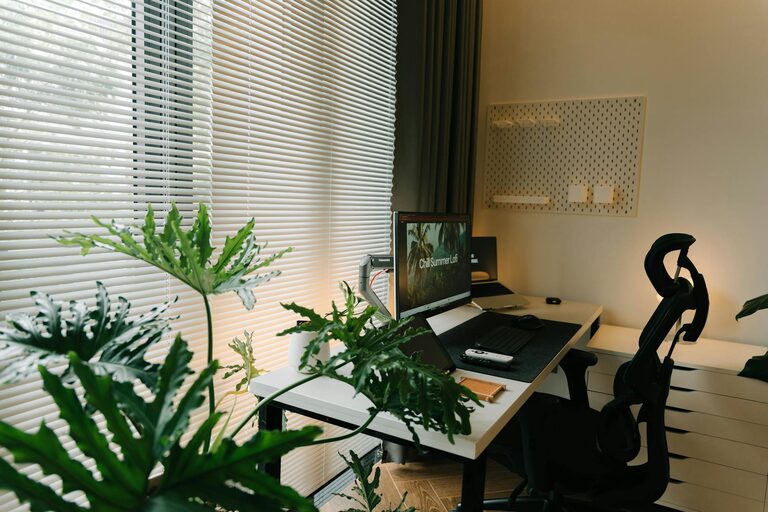
Comfortable, supportive furniture is key to avoiding fatigue and physical discomfort. An ergonomic chair that supports your back along with a desk at the right height helps maintain good posture throughout the day.
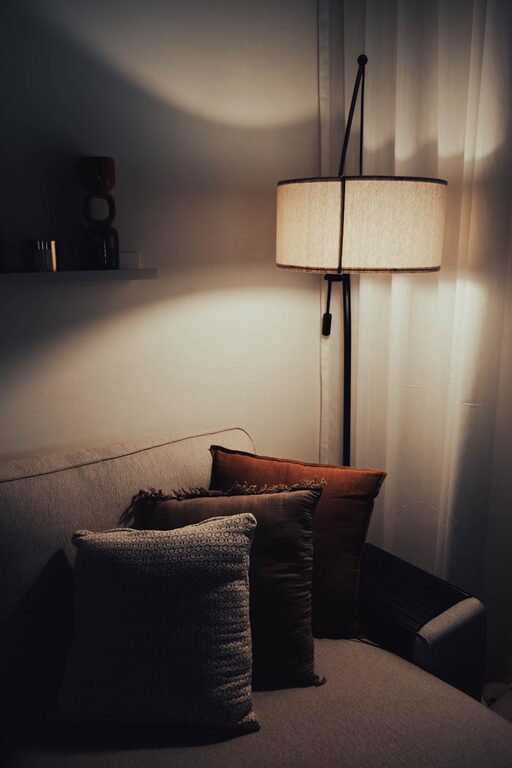
Adding cushions, a cozy throw, or a footrest can enhance comfort without cluttering your workspace. Personal touches make the area inviting, encouraging you to spend time there happily.
Use organizers, trays, or desk drawers to keep frequently used items tidy and accessible. This reduces time spent searching for supplies and helps maintain a clean, calming surface.
Remove unnecessary items from your desk to create a minimalist environment. A clear workspace helps clear your mind and reduce distractions.
Soft, neutral colors like light blue, green, or beige are known to soothe the mind and promote relaxation. Consider these colors for walls, accessories, or desk items.
Plants not only add color and life to your workspace but also improve air quality and reduce stress. Choose easy-to-care-for plants like succulents or pothos for low-maintenance greenery.
Soft background music or ambient sounds such as rain or ocean waves can enhance focus and create a peaceful atmosphere. Use apps or playlists that suit your preferences and help you concentrate.
A mild scent from essential oils like lavender or eucalyptus can promote relaxation without overwhelming your senses. Use a diffuser or scented candle safely to add a pleasant aroma.
Create a schedule to clearly separate work time from personal time. This helps your mind associate the workspace with productivity and relaxation at different times.
Inform family members or housemates about your work schedule to minimize interruptions. Using a “do not disturb” sign or closing a door can signal when you need focus.
Position monitors to reduce glare and strain on your eyes and neck. Use screen filters or blue-light blocking glasses to ease eye fatigue.
Limit interruptions by customizing your device notifications. Use “do not disturb” modes during focused work periods to maintain concentration.
Even in the most relaxing workspace, it’s important to stand, stretch, and move regularly. Short breaks reduce eye strain and prevent stiffness, boosting overall comfort and productivity.
—
By implementing these tips, your home workspace can transform into a sanctuary of calm that supports your daily tasks. Remember that the most effective workspace is one tailored to your personal needs, combining comfort, functionality, and style. With a little effort and thoughtful design, you can create an environment where relaxation and productivity go hand in hand.