17 April 2026
 Share
Share
1

Exclusive starter offer for new players available online today
Exclusive starter offer for new players available online today
Creating a relaxing home workspace is essential for maintaining productivity and promoting well-being, especially as more people work from home. A well-designed workspace can reduce stress, increase focus, and make your workday more enjoyable. In this post, we’ll explore practical tips for setting up a calming environment that supports your work and helps you feel balanced throughout the day.
A workspace that feels cluttered or uncomfortable can distract you, cause stress, and decrease your efficiency. On the other hand, a space designed with relaxation and comfort in mind helps you stay focused, feel motivated, and take care of your mental health as you work.
Select an area in your home that is relatively quiet and free from frequent interruptions. This could be a spare room, a corner of your living room, or even a section of your bedroom. The key is to create a space where you can focus without constant distractions.
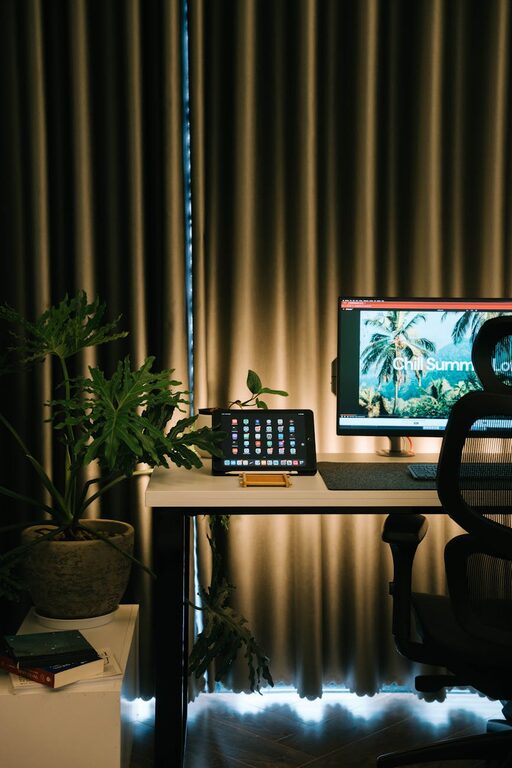
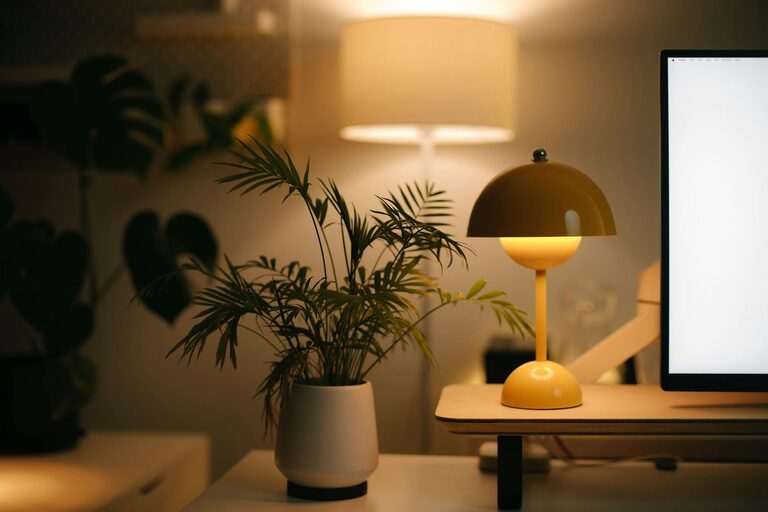
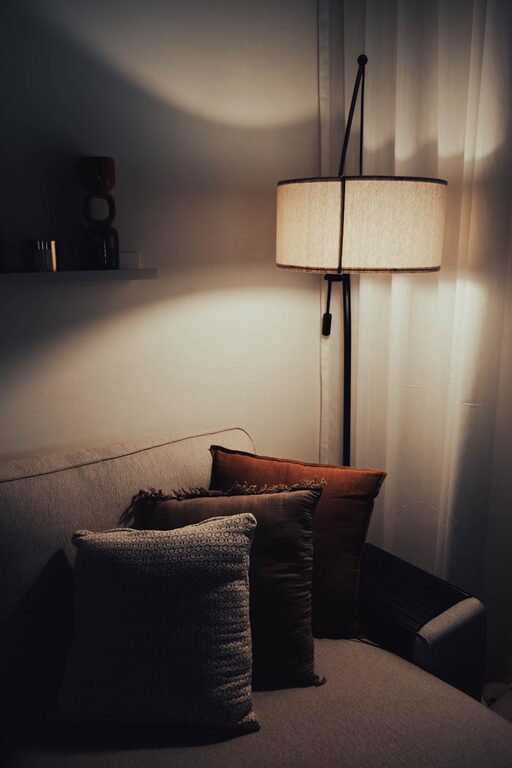
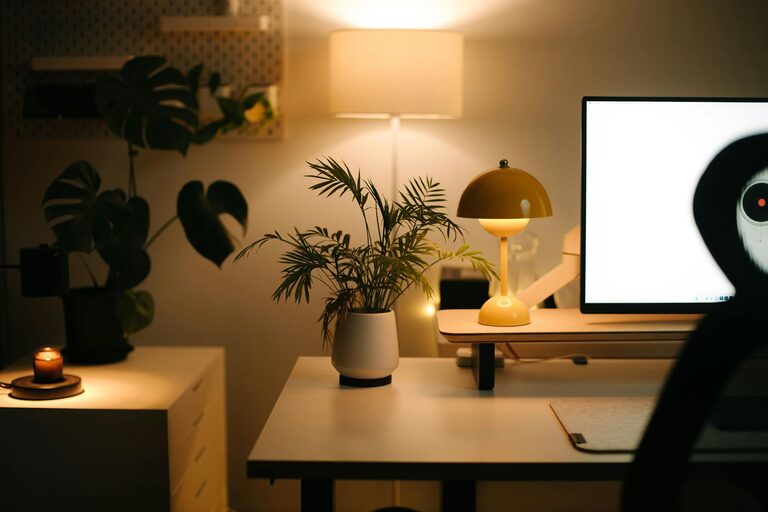
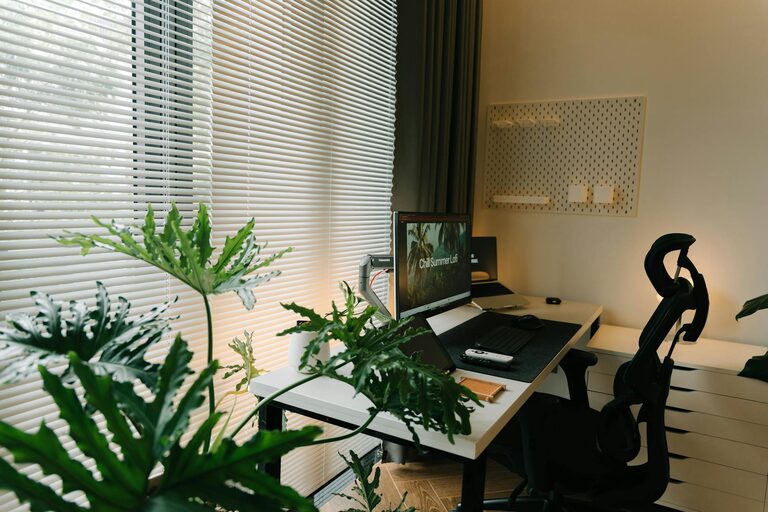
Natural light is proven to enhance mood and energy levels. Position your desk near a window if possible to take advantage of daylight. If natural light is limited, invest in warm, adjustable lighting to reduce eye strain and create a cozy atmosphere.
A cluttered workspace can lead to a cluttered mind. Keep only essential items on your desk and store everything else in drawers or shelves. Use organizers like trays, file holders, or small boxes to keep papers and supplies tidy.
Invest in a chair that supports good posture and keeps you comfortable during long work sessions. Adjustable chairs with lumbar support work well. Your desk should be at a height that allows your arms to rest comfortably while typing.
Add a few personal touches such as family photos, inspiring quotes, or plants. These elements make your workspace feel inviting and help boost your mood.
Colors can influence emotions. Soft, neutral colors like light blues, greens, or earth tones create a calming effect. Avoid overly bright or harsh colors that may increase anxiety or distraction.
Incorporating plants into your workspace adds life and freshens the air. Plants like succulents, snake plants, or pothos are low-maintenance options that improve air quality and create a peaceful vibe.
Keep items nearby that help you relax during breaks, such as a small stress ball, essential oils, or a calming candle. These simple tools encourage mindful moments and reduce tension.
Taking short breaks throughout your day refreshes your mind and prevents burnout. Use the Pomodoro technique or simple timers to remind yourself when it’s time to step away.
Mark the beginning and end of your workday by performing a small ritual. This could be organizing your desk before starting or closing your laptop and turning off your workspace light at quitting time. Rituals help create a sense of routine and separation between work and personal life.
Limit notifications and close unnecessary tabs to focus better. Consider apps or browser extensions that block distracting websites during work hours.
Fresh air and comfortable temperature are often overlooked but essential for comfort and alertness.
– Open windows when possible to let in fresh air.
– Use a fan or heater to keep the room at a comfortable temperature.
– Consider an air purifier if you’re sensitive to allergens.
Keep a water bottle and healthy snacks within reach. Staying hydrated and energized helps maintain focus and mood throughout the day.
Your workspace needs may evolve over time. Take time every few weeks to assess what’s working and what isn’t. Adjust lighting, seating, organization, or decor to continually improve your environment.
—
By combining these tips, you can create a home workspace that not only boosts your productivity but also supports your mental and physical well-being. A relaxing and well-organized space encourages focus, creativity, and calm—a vital foundation for successful workdays at home.