17 April 2026
 Share
Share
1

Exclusive starter offer for new players available online today
Exclusive starter offer for new players available online today

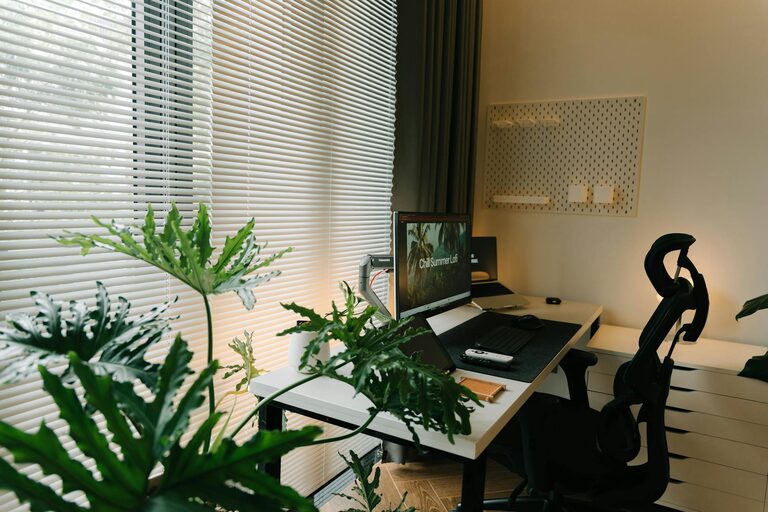
Creating a relaxing home workspace is more important than ever as many of us spend significant time working from home. A thoughtfully designed workspace can boost productivity, reduce stress, and improve your overall sense of well-being. In this post, we’ll share practical tips and ideas to help you set up a home office that feels both calming and efficient.
Working in a cluttered or uncomfortable environment can negatively impact your concentration and mood. On the other hand, a relaxing workspace helps to:
– Minimize distractions
– Encourage better focus and creativity
– Promote comfort and reduce physical strain
– Support positive mental health
By dedicating some effort to organizing and styling your workspace, you invest in your productivity and health.
Start by selecting the best spot in your home for your workspace. Ideally, choose a quiet area away from heavy foot traffic and noise. A corner of a spare room, a nook near a window, or even a section of your living room can work well.
Consider these factors:
– Natural light: A space with ample daylight can improve mood and reduce eye strain.
– Privacy: A location where you can focus without interruptions is ideal.
– Space: Make sure you have enough room for your desk, chair, and any necessary equipment.
Comfort is key for a relaxing workspace. Ergonomic furniture supports good posture and helps prevent physical discomfort.
Essentials include:
– Ergonomic chair: Choose one with adjustable height, good lumbar support, and comfortable cushioning.
– Desk at the right height: Your desk should allow you to keep your arms at a 90-degree angle while typing.
– Footrest or anti-fatigue mat: If you stand while working, these can reduce strain.
Clutter can create mental clutter. An organized workspace helps maintain focus and calm.
Try these ideas:
– Use storage solutions like shelves, drawers, or bins to keep supplies tidy.
– Limit your desk items to essentials only.
– Implement a daily or weekly cleaning routine to maintain order.
A relaxing workspace includes elements that soothe your senses and create a pleasant atmosphere.
Consider adding:
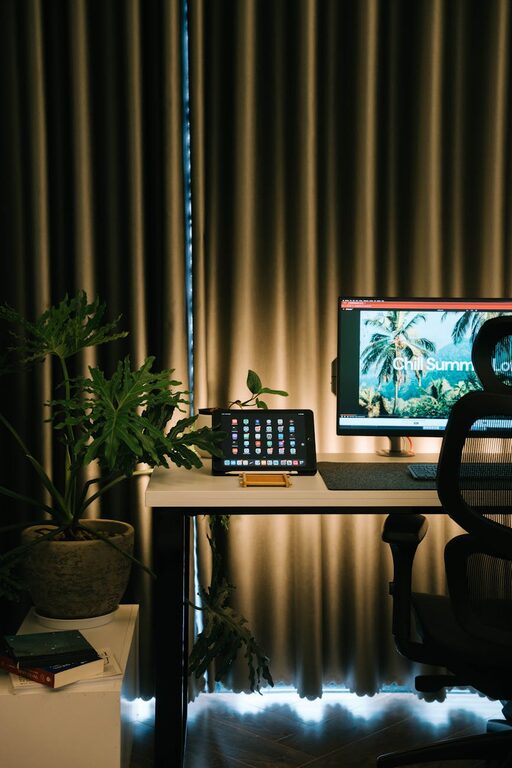
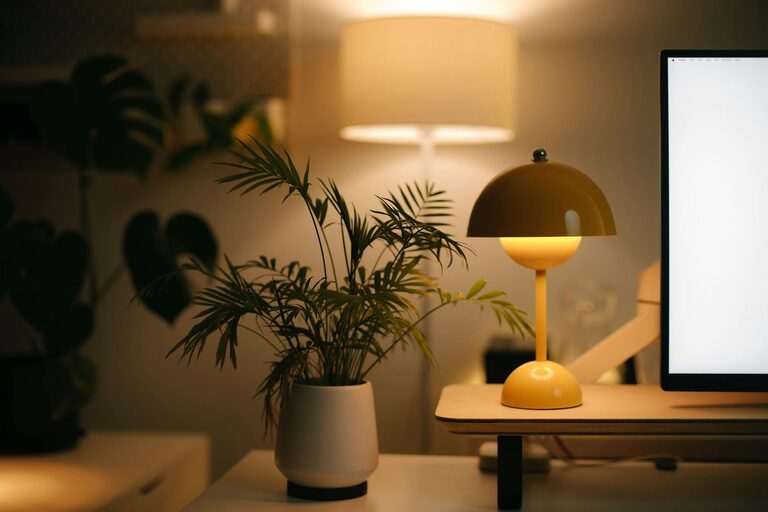
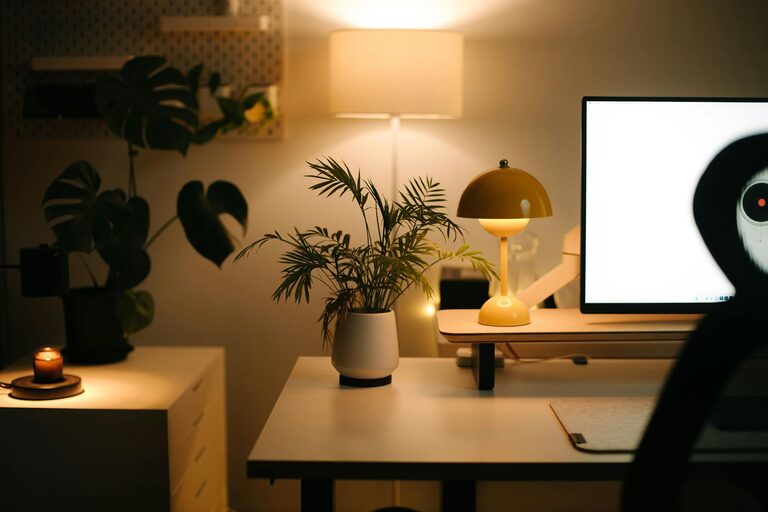
– Plants: Indoor plants improve air quality and add a touch of nature.
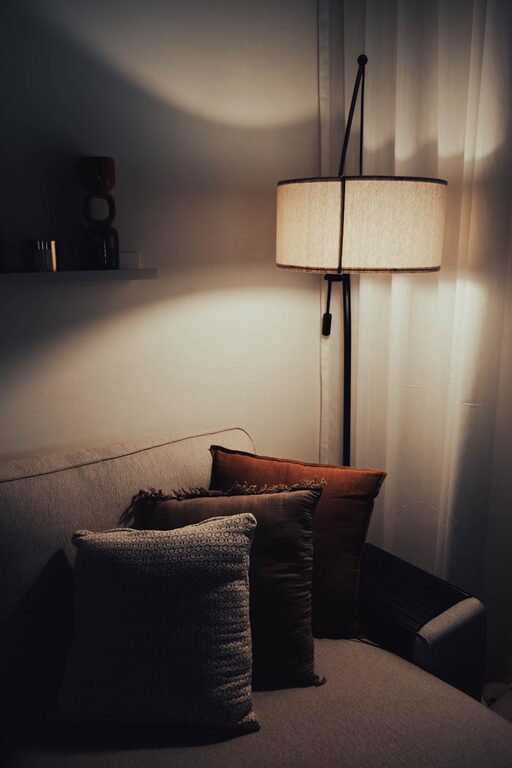
– Soft lighting: Use desk lamps or floor lamps with warm bulbs instead of harsh overhead lighting.
– Personal touches: Photos, artwork, or decor that make you happy can increase comfort without causing distraction.
– Aromatherapy: A subtle diffuser with essential oils like lavender or eucalyptus can promote relaxation.
Noise can disrupt focus or cause stress. Depending on your environment, you might want to:
– Use noise-canceling headphones for better concentration.
– Play soft background music or nature sounds.
– Add rugs or curtains to help absorb sound and reduce echoes.
A well-planned tech setup prevents frustration and supports productivity.
Tips include:
– Arrange cords and chargers neatly to avoid tangles.
– Use a second monitor for multitasking if space allows.
– Keep your keyboard and mouse within easy reach.
– Make sure your internet connection is stable to reduce interruptions.
Even the best workspace won’t help if you stay glued to your chair for hours. Incorporate short breaks and stretches to boost energy and reduce fatigue.
– Follow the 20-20-20 rule: every 20 minutes, look at something 20 feet away for 20 seconds to reduce eye strain.
– Stand up, stretch, or take a brief walk every hour.
– Consider setting reminders to move or practice mindful breathing.
A relaxing workspace is more than just the physical setup—it also involves your habits and routine.
– Start your day by organizing your desk or writing down priorities.
– Set clear work hours and boundaries to separate work and personal time.
– Incorporate rituals that help you transition in and out of work mode, like a cup of tea or a brief meditation.
—
Creating a relaxing home workspace is about balance. By combining comfort, organization, and personal touches, you can transform your work environment into a place that supports both productivity and well-being. Start small, adjust as you go, and enjoy the positive changes a thoughtful workspace can bring to your daily routine.